
Northampton, EnglandEst. 1982
Built for testing.Engineered for height.
A landmark facility for full-scale high-rise drainage research, ambitious product development and specialist testing at height.
A singular facility at full scale
- 127m
- tower height
- 4
- lift shafts
- 75m
- drainage soil stack
- 40
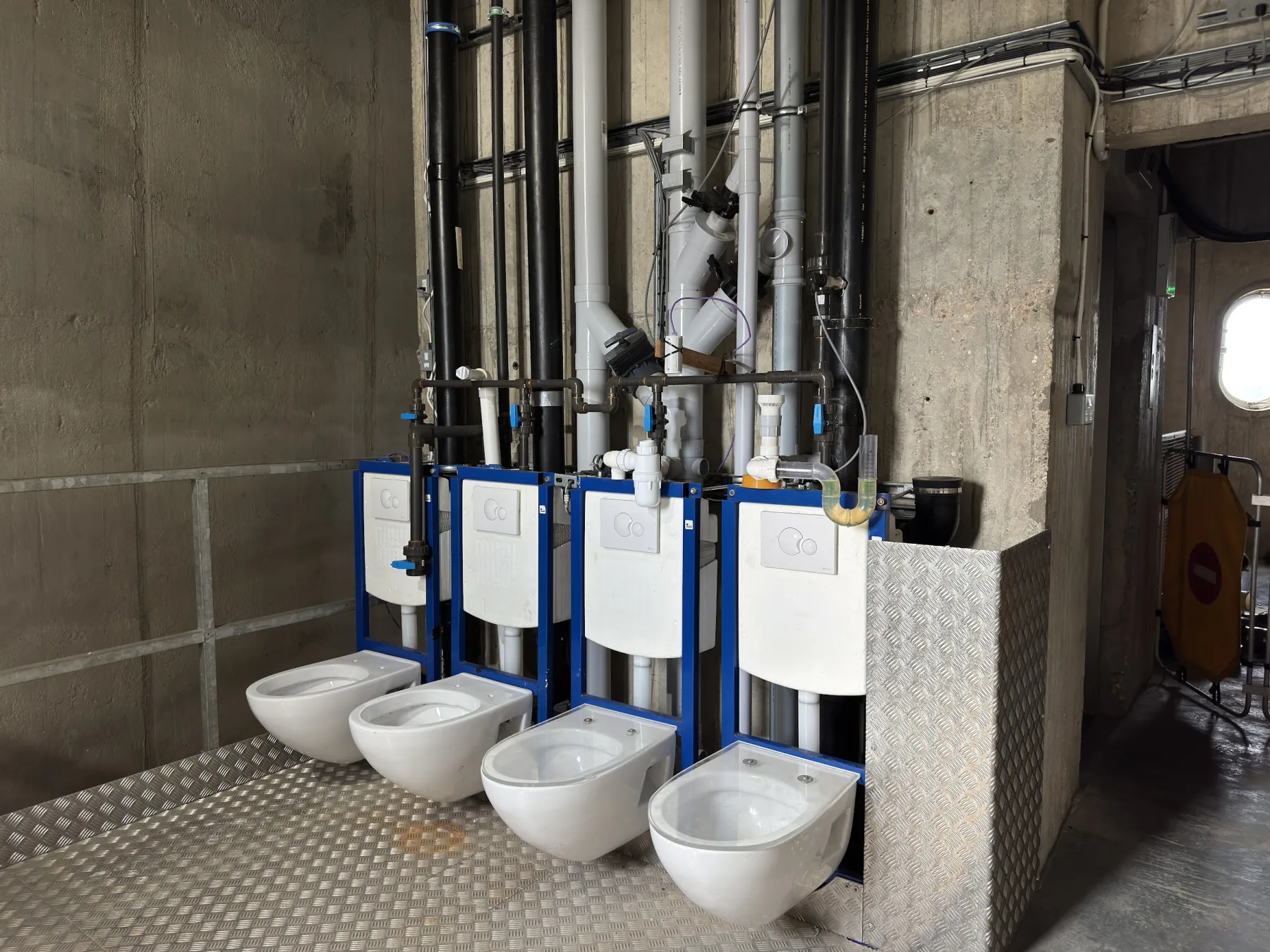
- flushes in one test
01 A national engineering landmark
One landmark. An extraordinary range of possibilities.
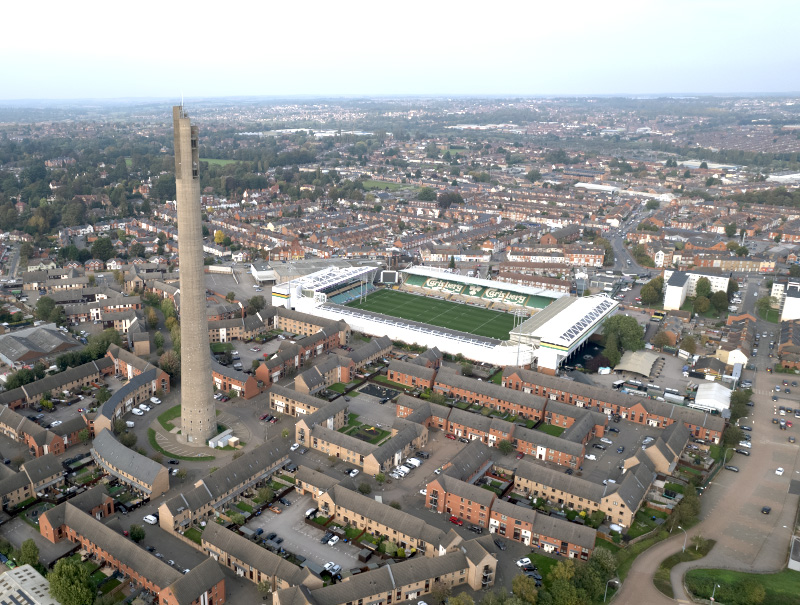
The National Lift Tower is an independent research, testing and training facility in Northampton. Its four lift shafts and 18 floors create a vertical environment that cannot be replicated in a conventional industrial building.
Today, Aliaxis UK operates its Training and Research Centre at the tower for full-scale high-rise plumbing product development and research into drainage, waste and ventilation systems. The wider facility also supports specialist product testing and working-at-height training.
The wider structure can also be assessed for potential projects that need meaningful height or long vertical distances, including radio, antenna, wireless and telemetry research.
Explore vertical transport research →
Discover the tower's history →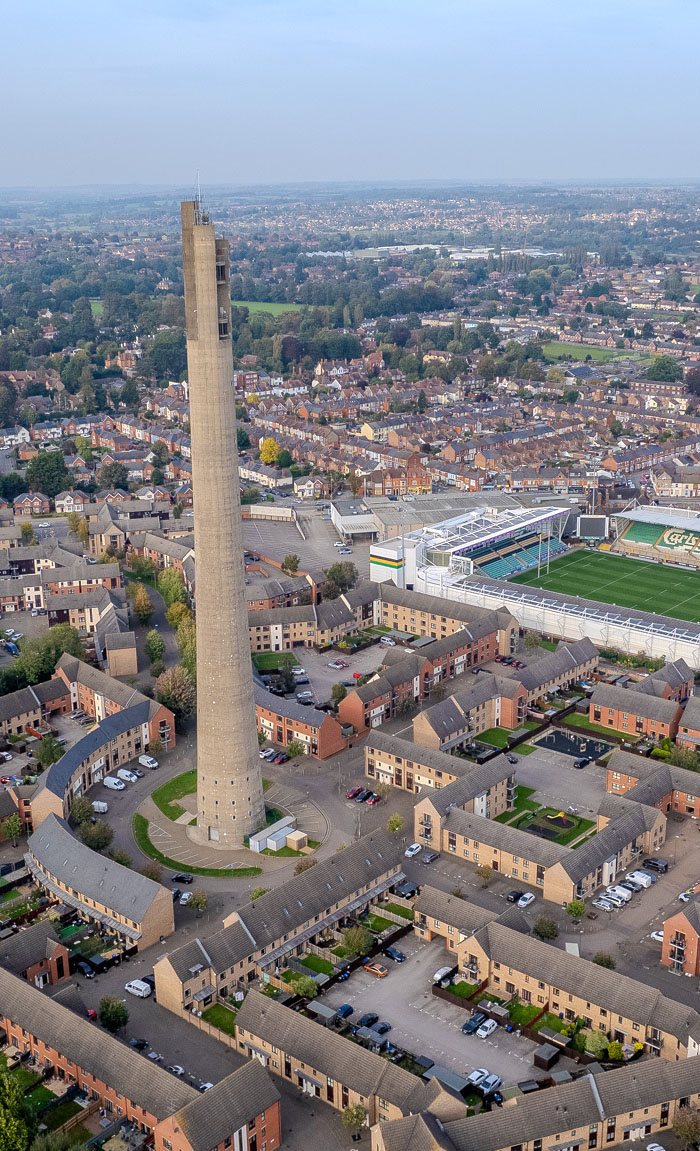
02 High-rise drainage testing
Full-scale testing. Controlled to the smallest detail.
The tower is home to the world's tallest high-rise drainage research facility: a 75-metre soil stack capable of recreating real conditions for plumbing, drain, waste and vent systems.
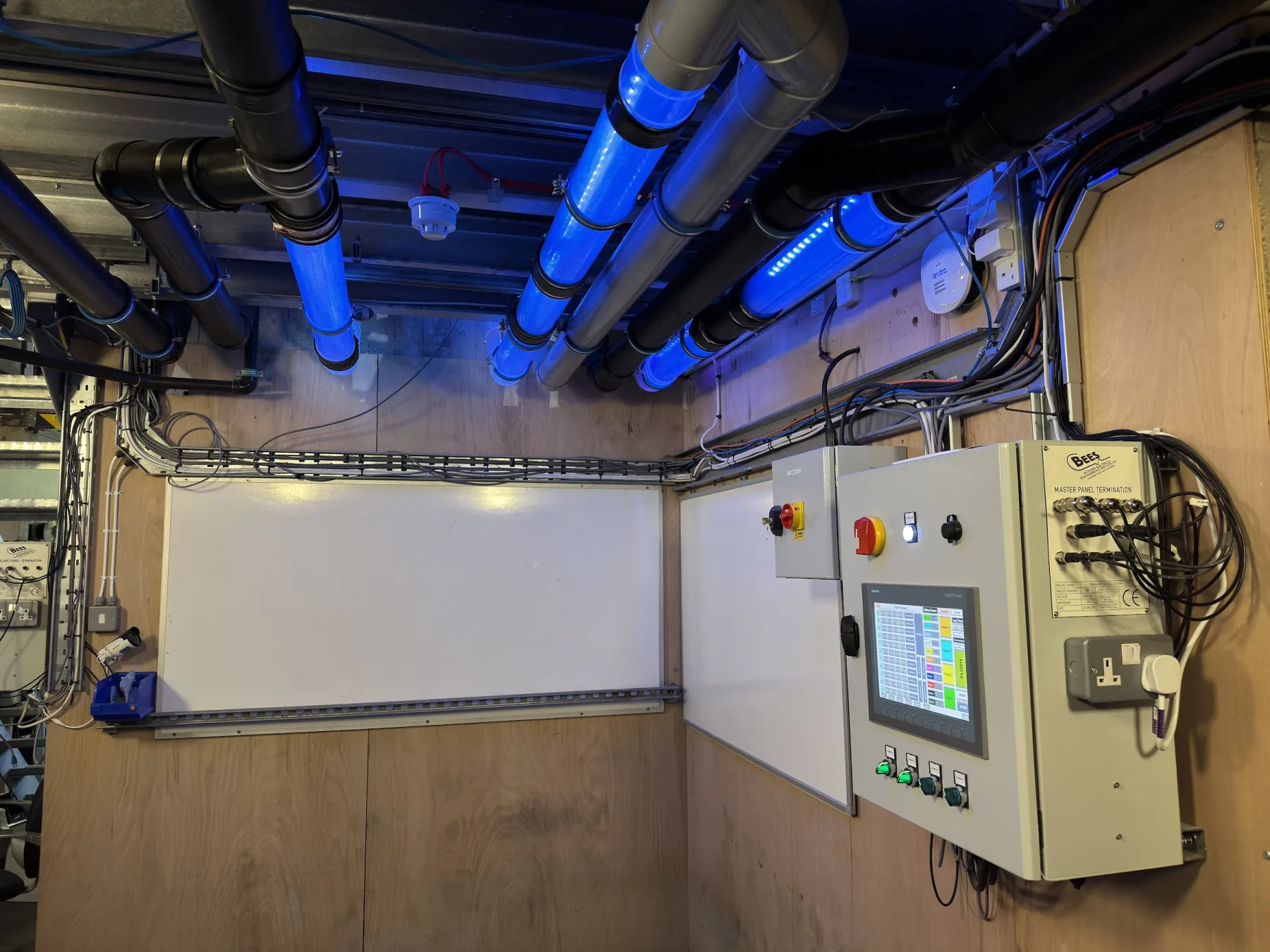
Siemens PLC automation, constant-flow valves, pressure transducers, ultrasonic level sensing and bespoke software support repeatable hydraulic drainage research and full-scale product development.
- 75m
- soil stack
- PLC
- controlled testing
- Live
- instrumentation
03 Inside the tower
Precision, measured at full scale.
The facility brings systems, controls and real building-scale conditions together so teams can see how their work performs.
04 Capability at height
Specialist capability. Singular setting.
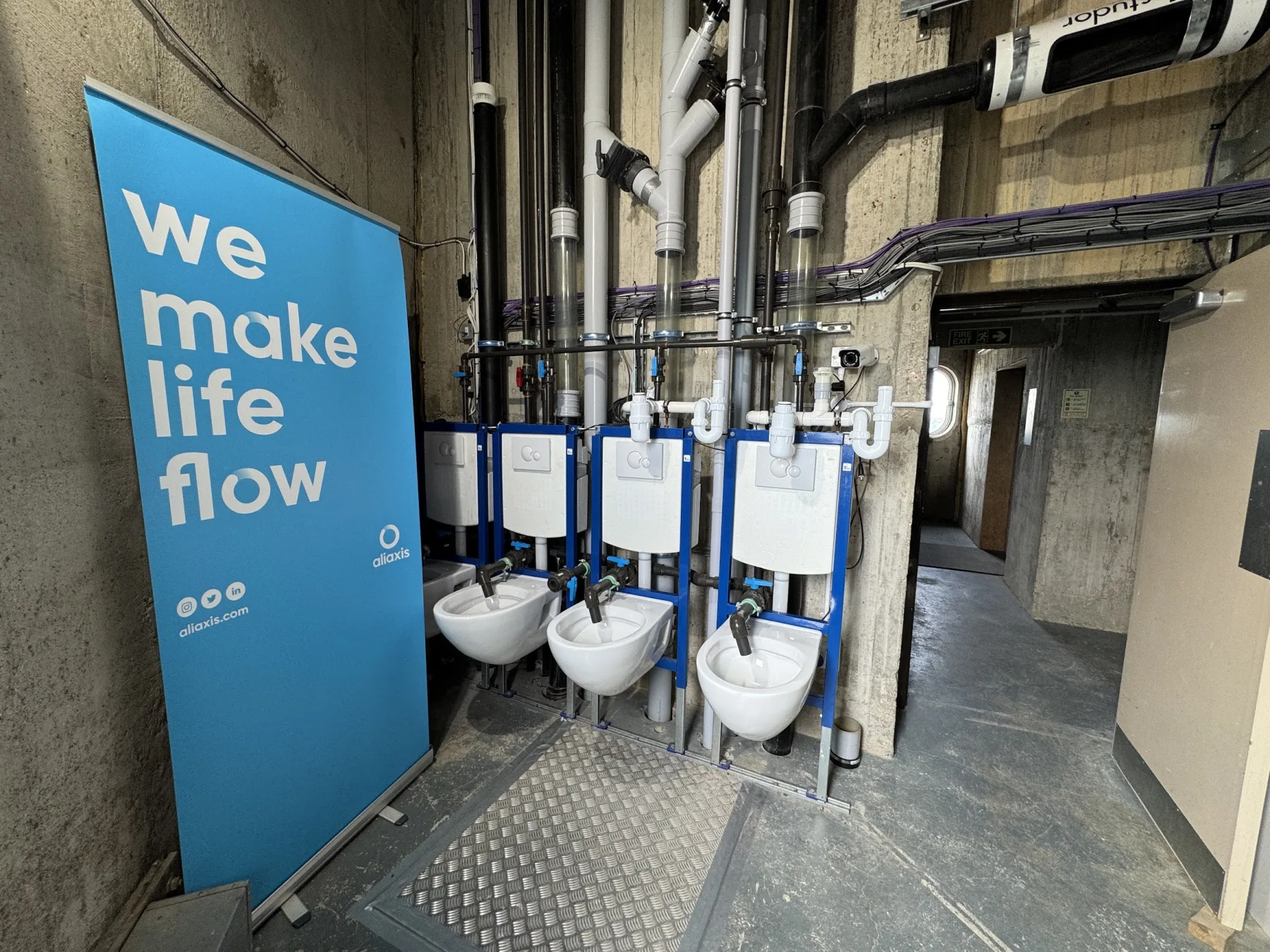
High-rise drainage and plumbing research
Full-scale DWV testing, hydraulic research, product development and demonstrations.
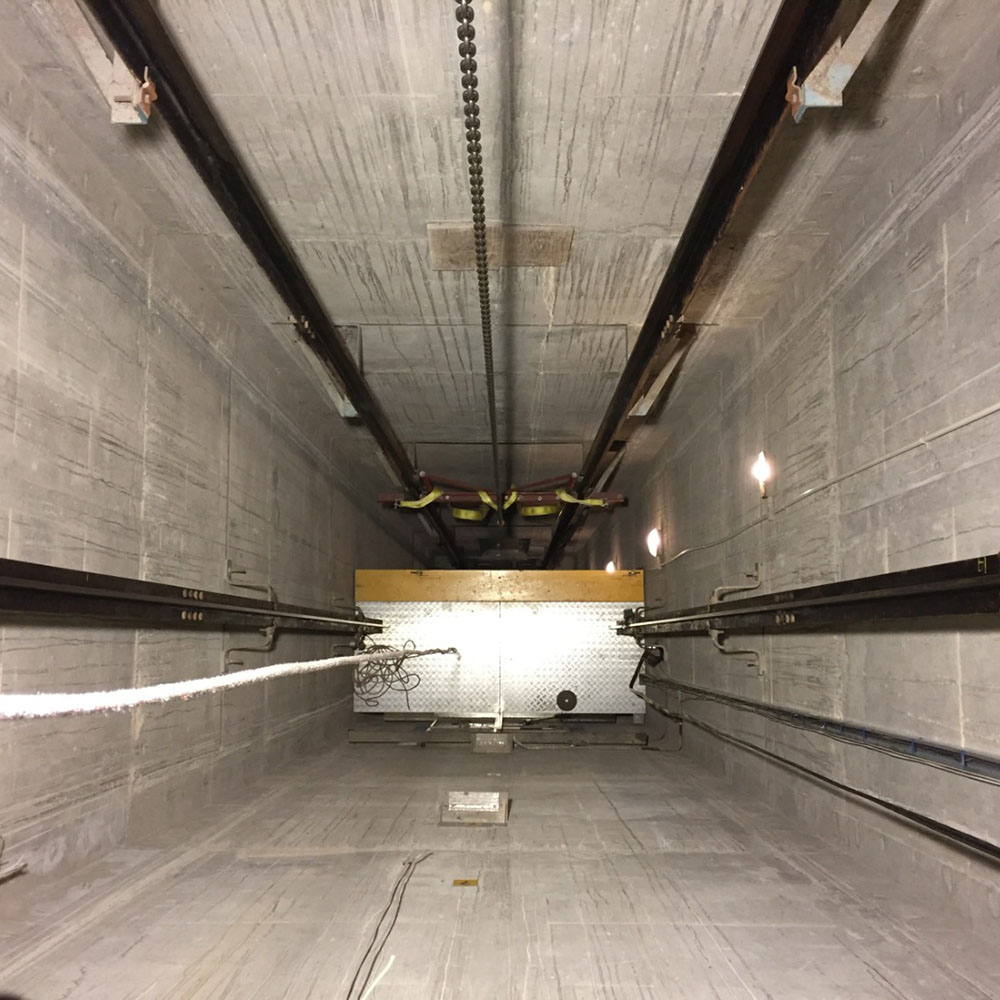
Drop testing
Purpose-built vertical testing for equipment and safety systems.
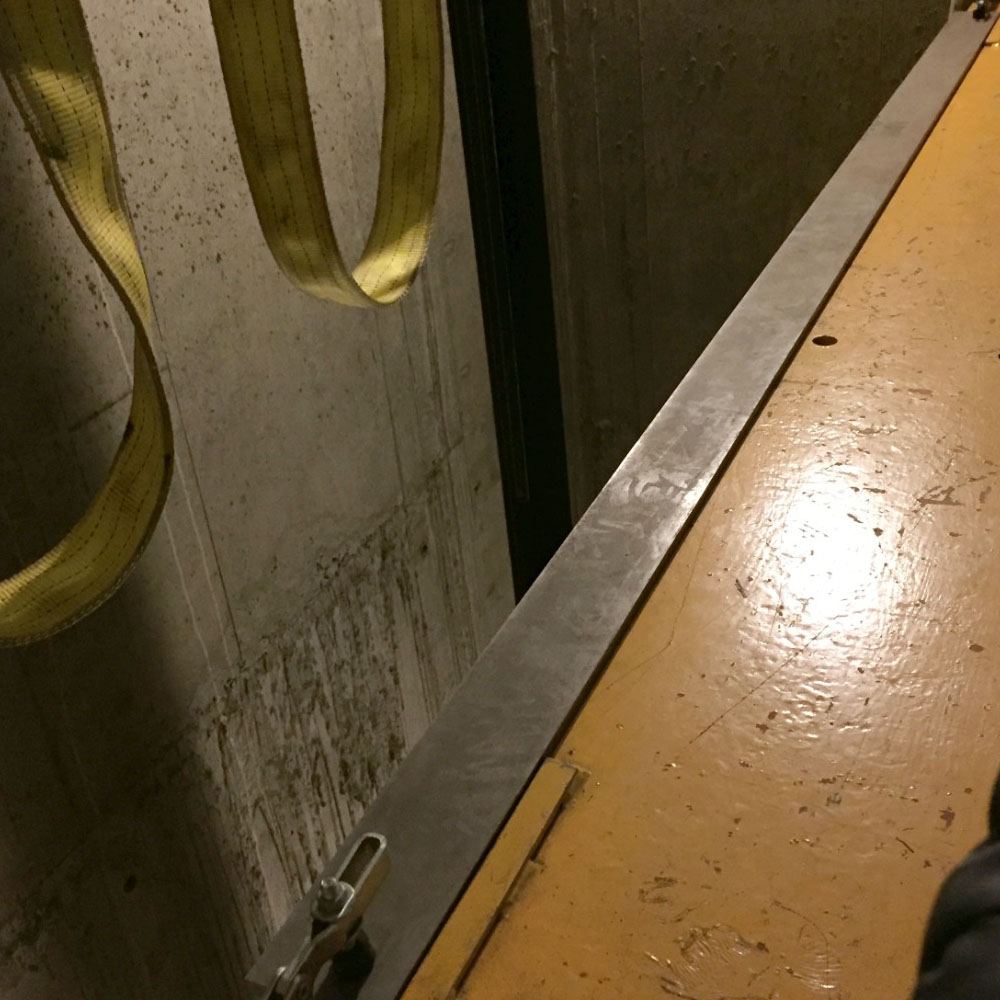
Sharp-edge testing
Controlled evaluation of descenders and safety devices.
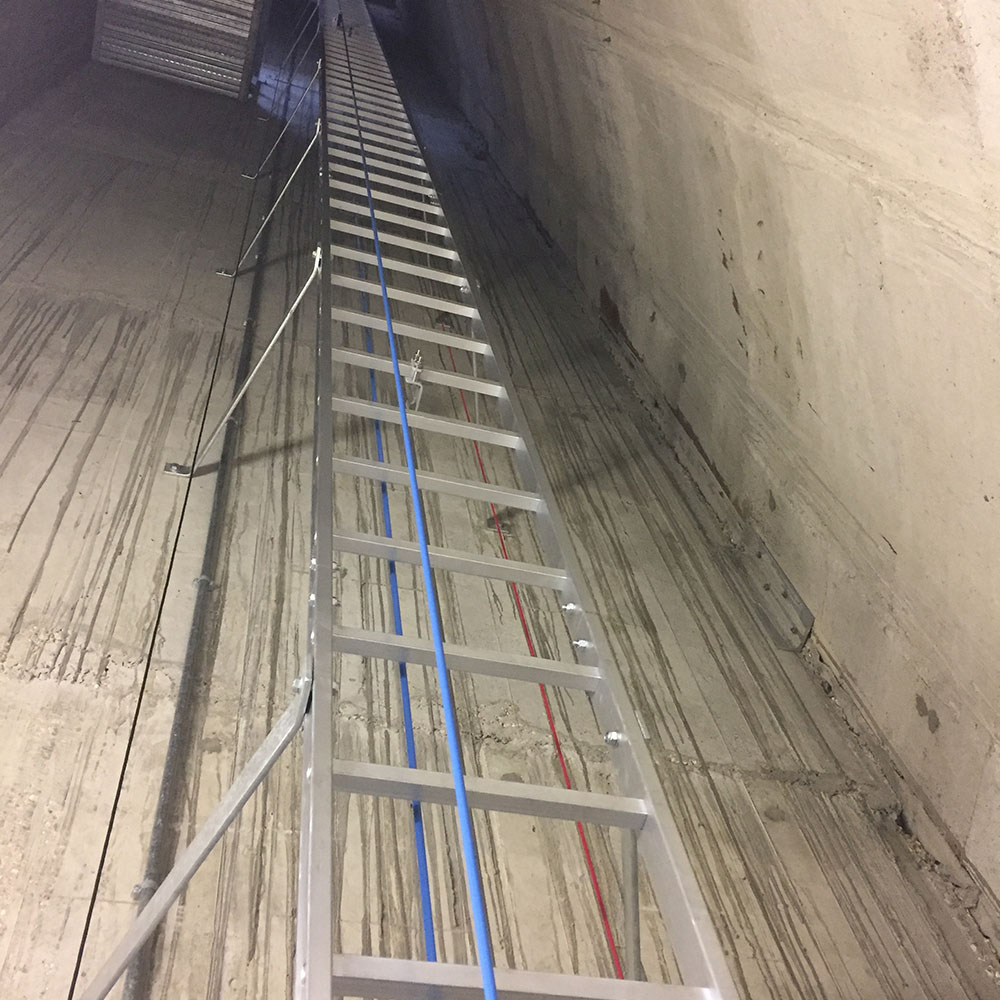
Access training
Practical working-at-height training on specialist systems.
Communications research at height
Explore potential radio, antenna, wireless and telemetry projects requiring elevation or long vertical distances.
Start a conversation
Have a product, system or project to put to the test?
Tell us what you are developing, testing or planning. We will help identify how the National Lift Tower can support it.