The Express Lift Tower
From lift testing to the next generation of engineering.
A Northampton landmark with a working history of research, development, testing and training.
1980 to today
A testing tower with a singular purpose.
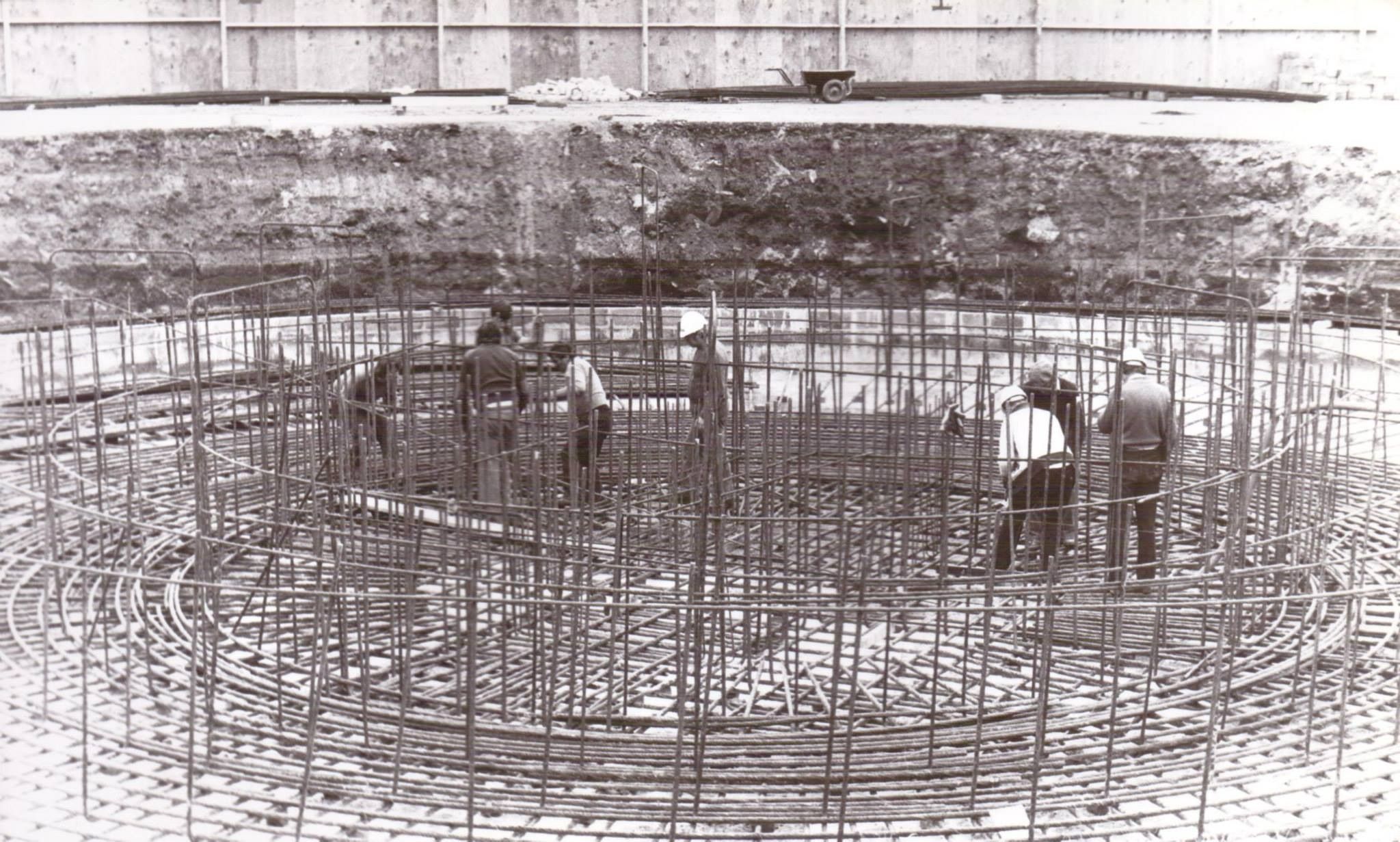
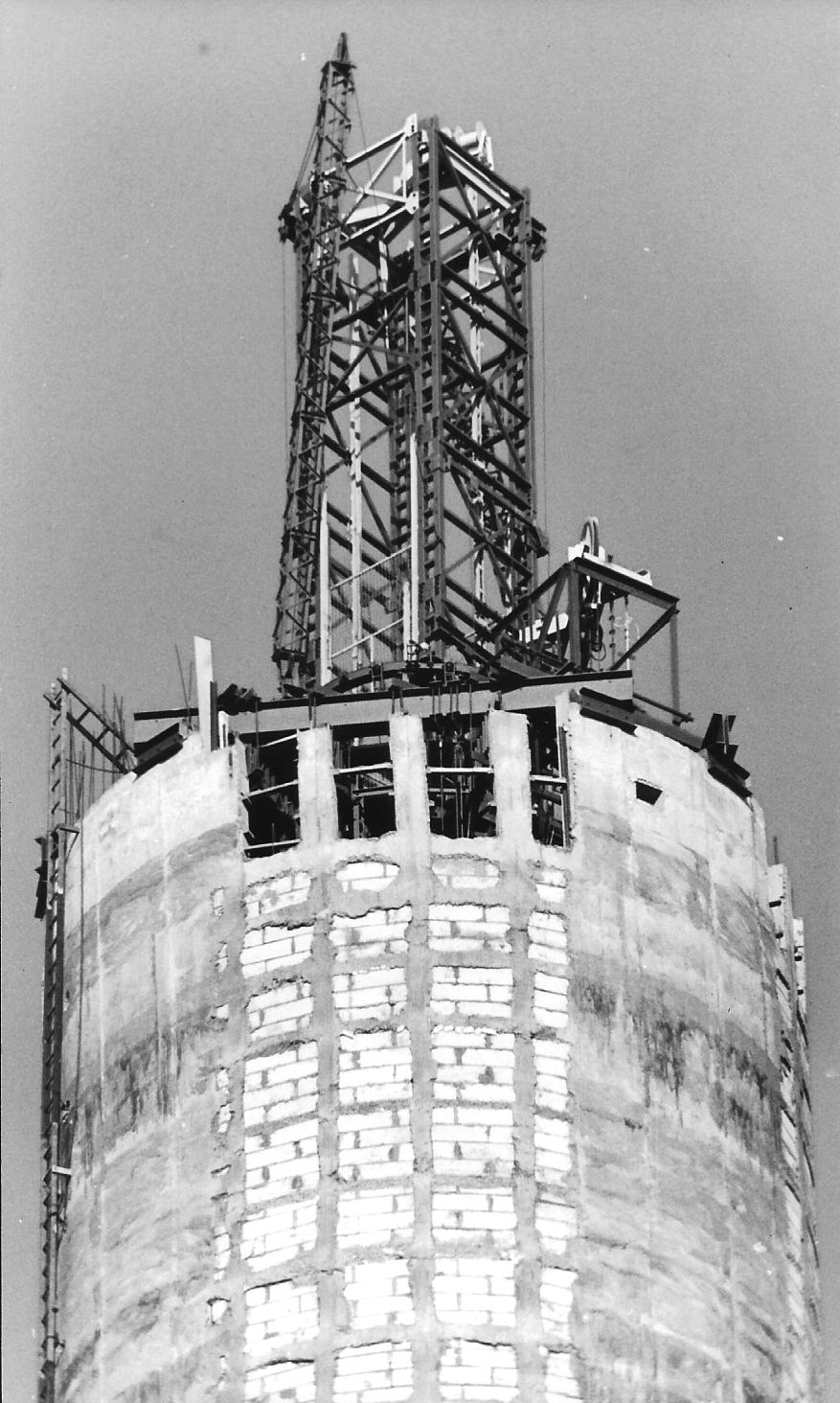
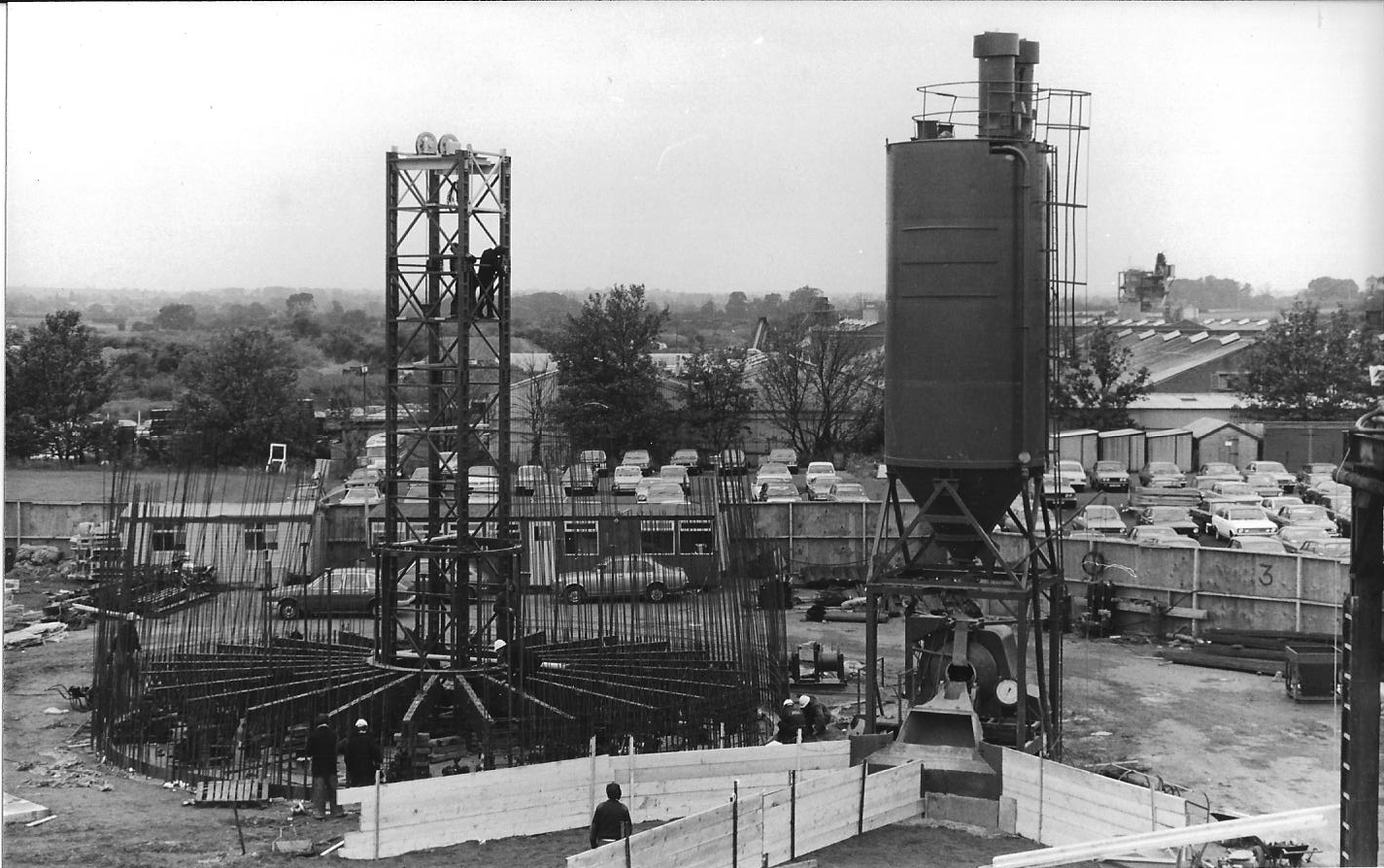
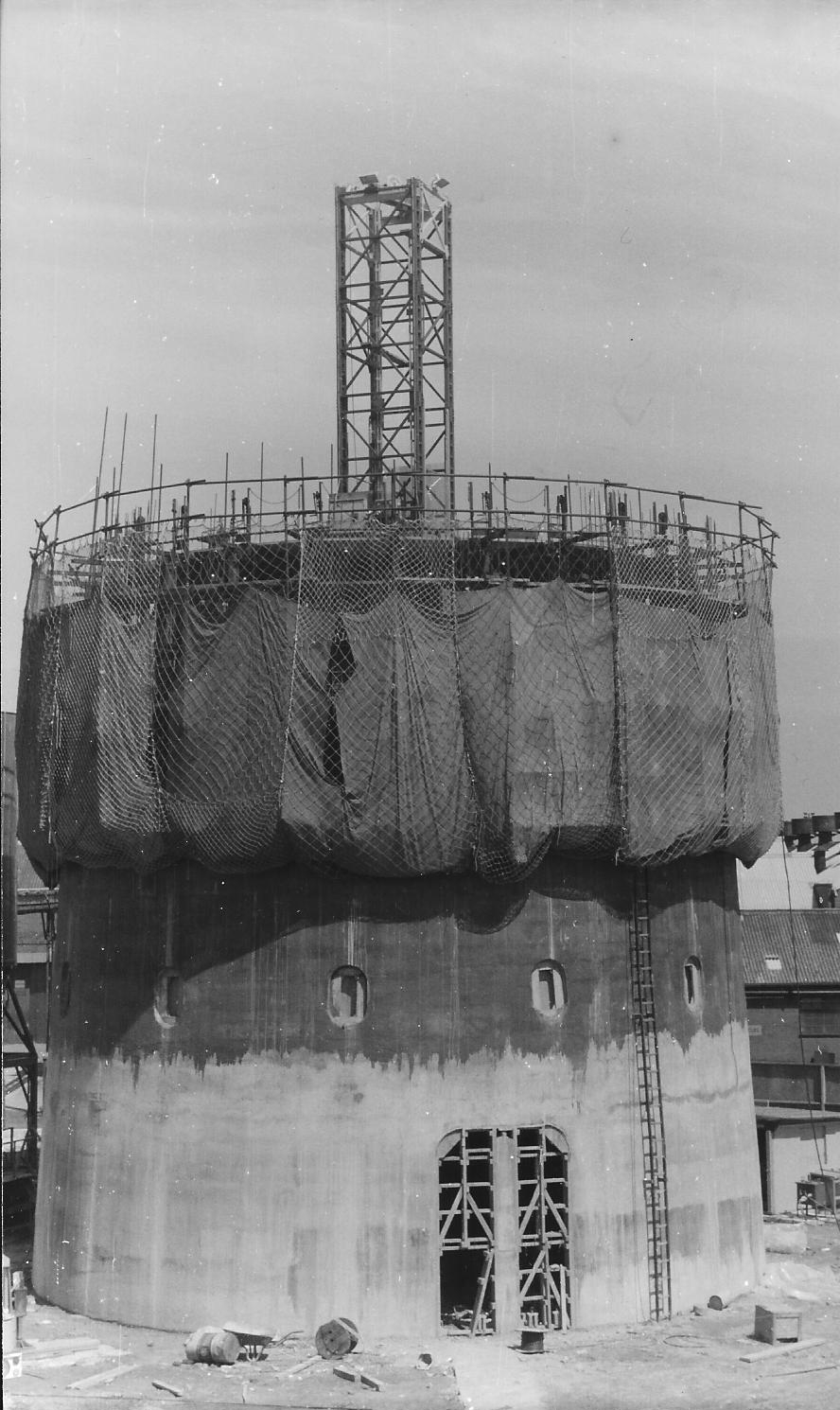
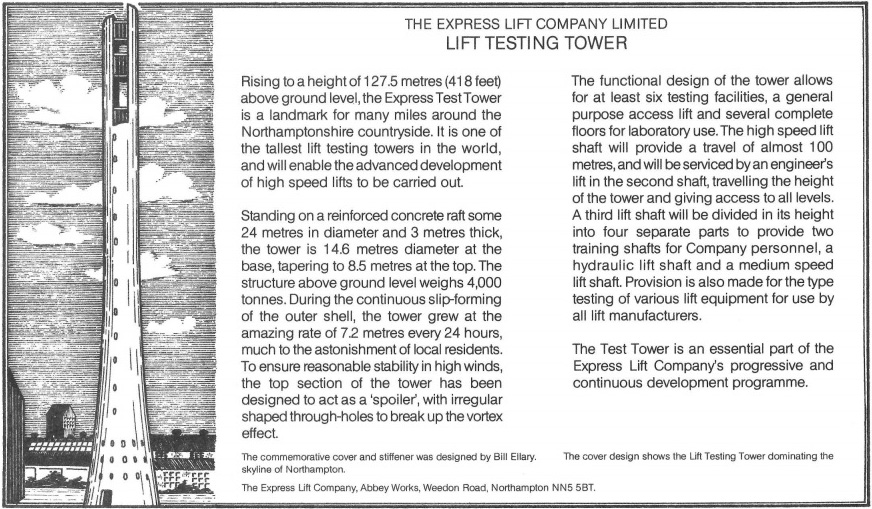
The National Lift Tower started life as the Express Lift Tower. Designed by architect Maurice Walton of Stimpson Walton Bond, the tower construction started in 1980 and was officially opened by Queen Elizabeth II on the 12th of November 1982.
At 127.5 metres tall, the tower was built to test lift systems at a scale few facilities could match. Its four vertical shafts have made it a lasting resource for engineering research, product development and practical training.
- 127.5m
- Tower height
- 1982
- Official opening
- Grade II
- Listed since 1997
- 4
- Lift shafts
Built for evidence
Engineering safety into every test.
From the tower's opening, one of its lift shafts was used by the British Standards Institution (BSI) for type testing lift safety components. Safety gear tests involved free-falling lift cars with rated mass at controlled tripping speeds to confirm that they decelerated and stopped to specification.
Buffer testing was also carried out at the tower, using set weights and speeds to assess how safety components could stop an uncontrolled lift-car fall. The original purpose of the building was always practical: put systems through real conditions and learn from what happens.
Key moments
A tower that has kept evolving.
Commissioned
The structure was commissioned by the Express Lift Company.
Construction begins
Work began on the designs of architect Maurice Walton.
Official opening
Queen Elizabeth II officially opened the Express Lift Tower on 12 November.
Grade II listed
The tower was granted Grade II listed building status, then the youngest listed building in the UK.
New surroundings
The tower and surrounding area were sold to Wilcon Homes for development.
National Lift Tower re-opens
The tower re-opened under private ownership as the National Lift Tower.
Permanent abseiling
Planning permission was granted for more permanent abseiling from the top.
Drainage research begins
Studor, now part of Aliaxis, began installing the world's tallest drain-testing rig.
The tower today
Now a research and development centre for the built environment.
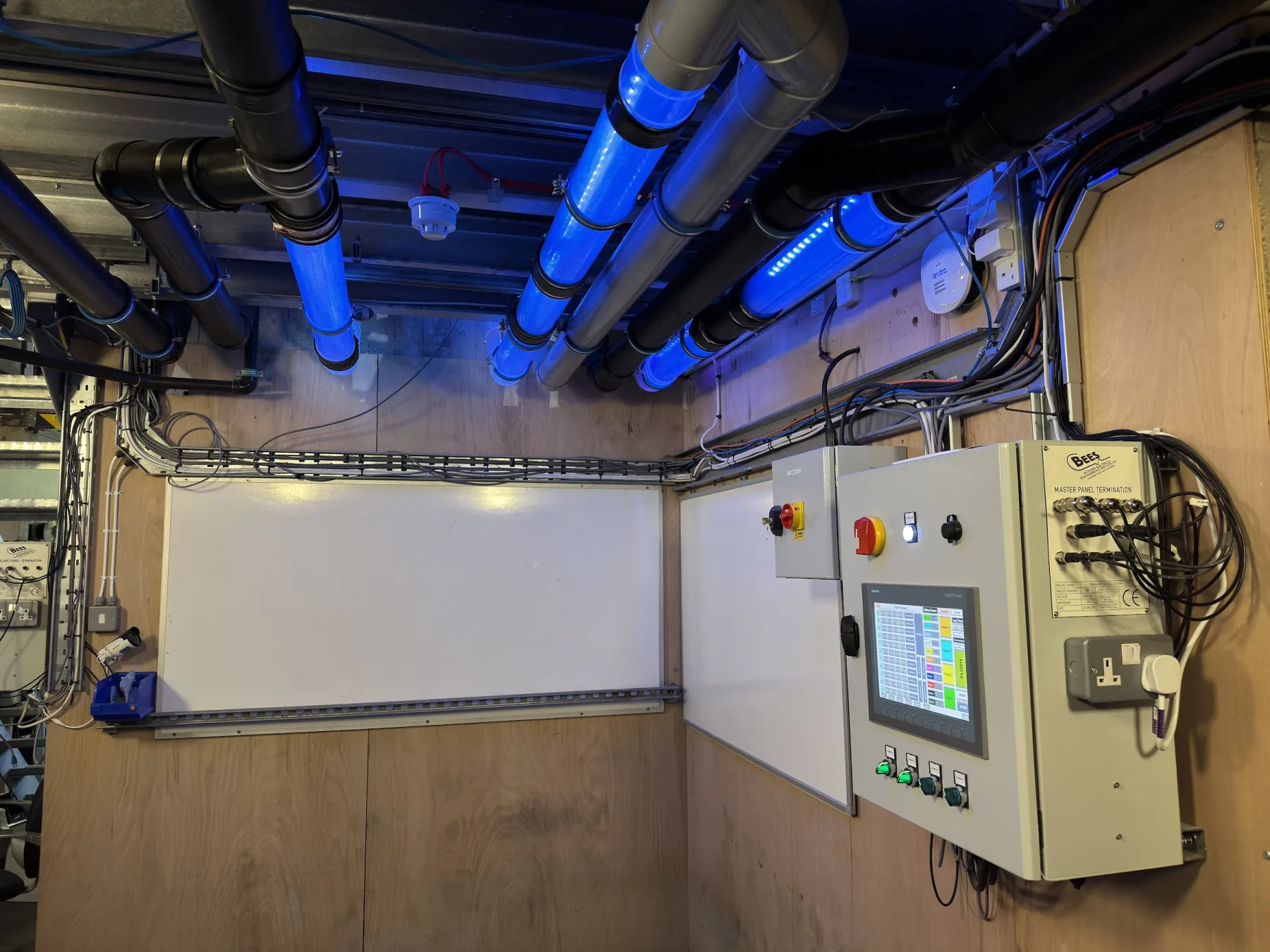
Aliaxis UK runs its Training and Research Centre at the tower, supporting product development, technical training and high-rise drainage, waste and ventilation research.
The facility includes a 75-metre soil stack, the world's tallest drainage testing installation, which can recreate real-life high-rise conditions with up to 40 flushes in a single test.
The tower also supports safety-equipment testing, specialist working-at-height training and charity abseils that raise money for local and national causes.